

Iceland in winter is an ideal destination for anyone dreaming of witnessing the Northern Lights. Experiencing the majestic dance of Lady Aurora, with its incredible colours of green, purple, white, and occasionally red, while standing in the cold night air is truly magical.
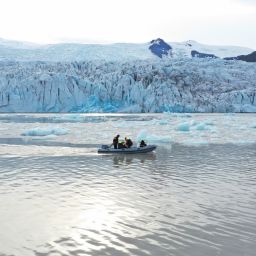
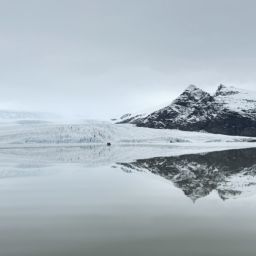
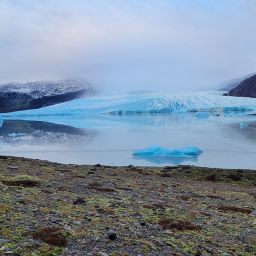
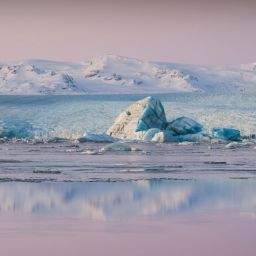
One of the premier locations to view the Aurora is Fjallsárlón, a stunning glacier lagoon situated in Southeast Iceland. This spot offers the perfect conditions for a memorable Northern Lights experience, combining necessary darkness with a breathtaking landscape, all away from the typical crowds.
To help you maximize your adventure, we’ve compiled some helpful tips!
When is the best time to visit?
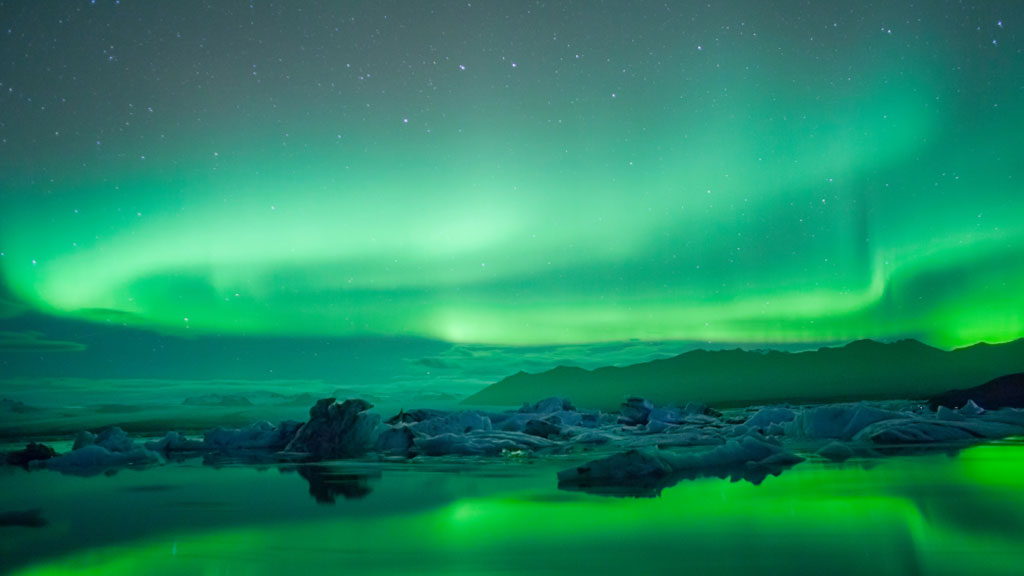
Winter is the season for the Northern lights in Iceland, between September and March.
The prime time for viewing the Northern Lights is from early September through to the beginning of April. For the best chances, aim to plan your trip between December and February, as these months offer the longest and darkest nights, ideal for Aurora hunting.
To maximize your success, monitor the weather forecast closely, especially the Aurora forecast on this site: https://en.vedur.is/weather/forecasts/aurora/. Look for a clear sky (marked in white on the map) and a KP index of 3 or higher.
While the best viewing window is typically between 10 p.m. and 2 a.m., be ready for the lights to make a surprising appearance earlier or later!
What are the best spots for the Northern lights?
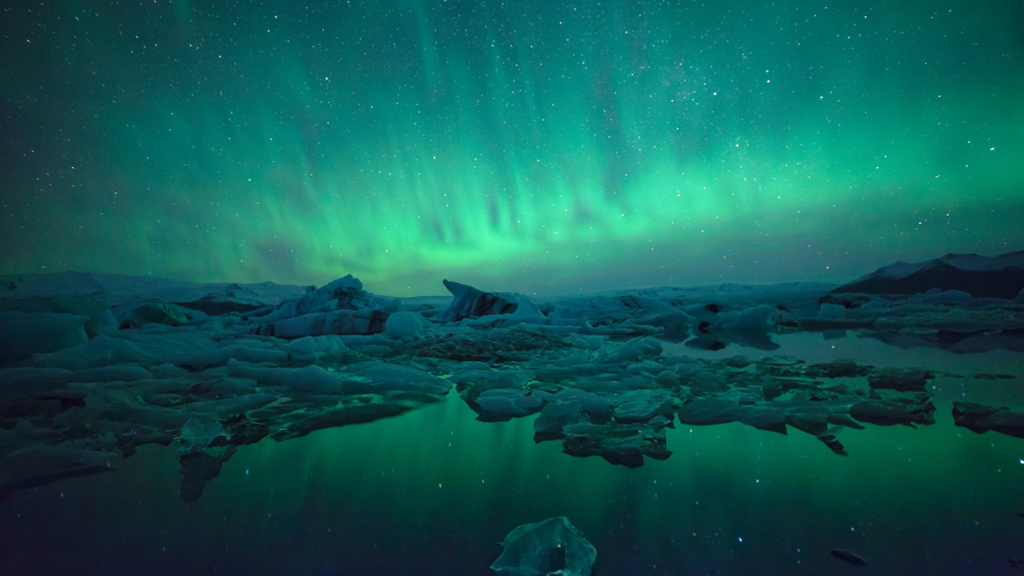
Fjallsárlón Glacier Lagoon is one of the best places in South East Iceland for Northern lights viewing.
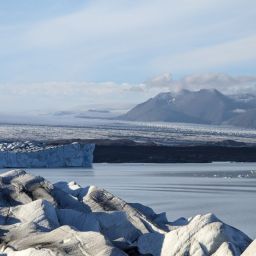
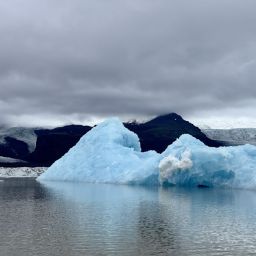
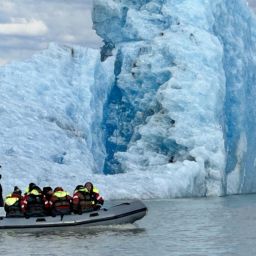
Fjallsárlón is an essential destination, offering a more tranquil experience than other popular spots, allowing for peaceful solitude amidst nature. If visiting at night, the moonlight often illuminates the icebergs in the lagoon, creating a stunning scene while you await the Northern Lights.
For a contrasting experience, nearby Jökulsárlón Glacier Lagoon is only a short drive away. While typically more crowded due to its fame, it frequently features icebergs and beautiful scenery.
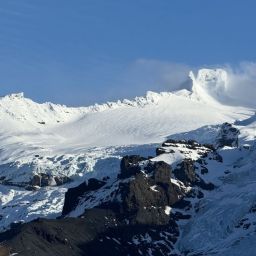
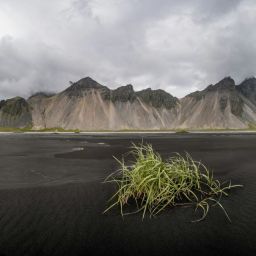
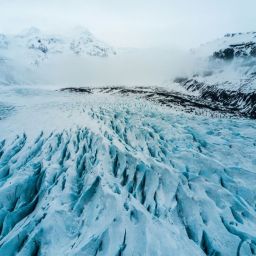
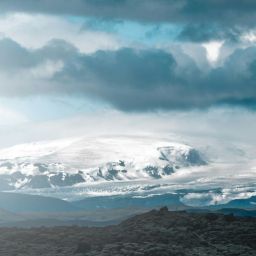
The entire Vatnajökull National Park area is reminiscent of a winter wonderland, characterized by its majestic glaciers and mountains. For those seeking true solitude and a chance to spot hidden gems, look for quiet beach areas or hilltops that are far from light pollution.
What to wear on the Aurora hunt?
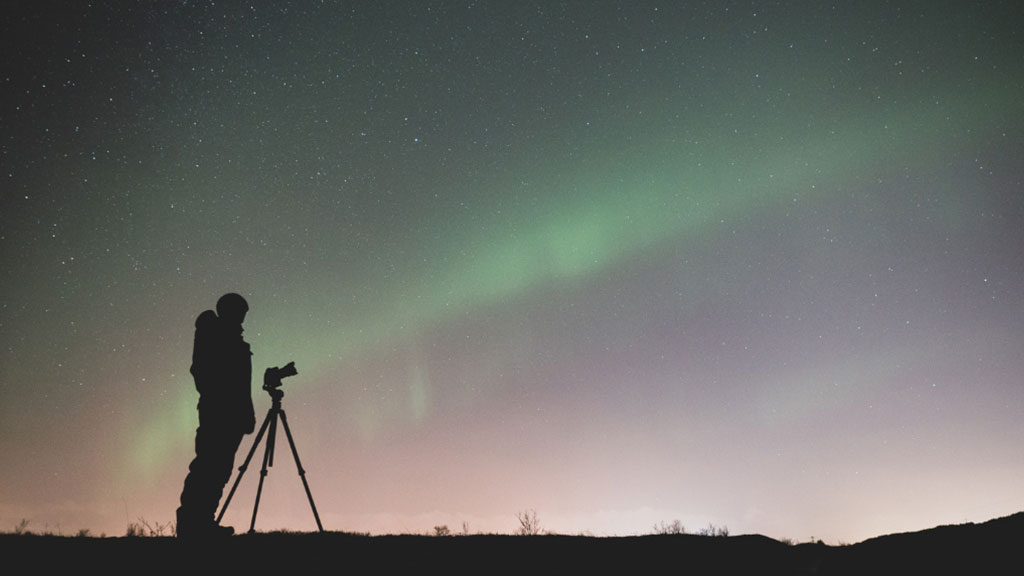
It is essential to dress warm for your Northern lights outing as it will be cold and you may need to wait for the lights.
Don´t underestimate the cold! Dressing in layers is key to enjoying the night out. Here is what we would recommend;
-
- Base layer: Start with thermal underwear that wicks moisture away.
- Mid layer: Layer up with a warm fleece or wool sweater.
- Outer layer: A good waterproof and windproof jacket will be your best friend.
- Accessories: Bring a snug hat, comfy gloves and a thick scarf to keep your face warm.
- Footwear: Waterproof boots with thick, cozy socks are a must to keep your feet toasty.
How to set your camera for the best Northern lights pictures?
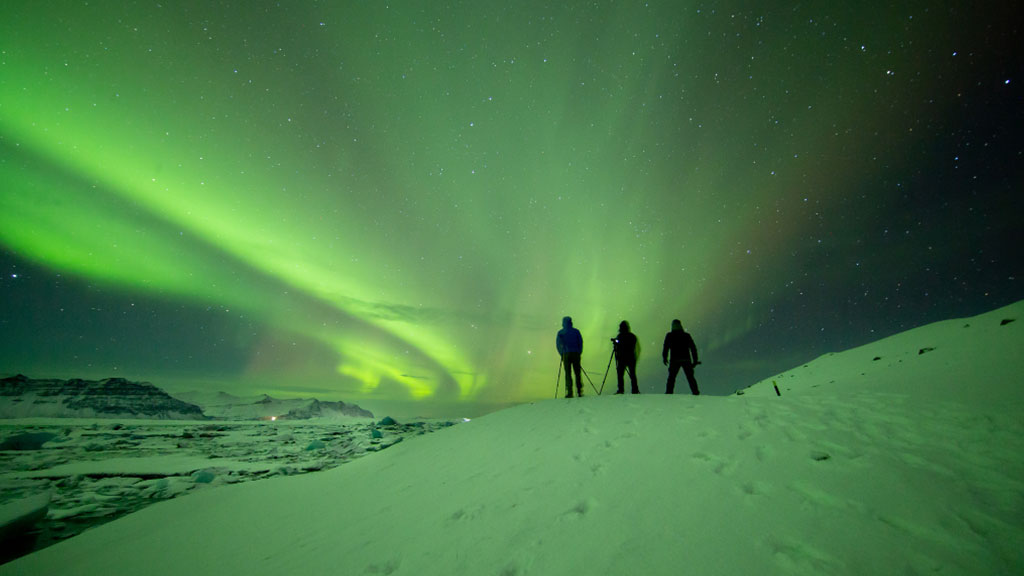
To capture the perfect Northern lights picture, it’s essential to have a good camera and adjust your settings to the optimal.
In general, and if you are not a photography nerd, you can get very nice pictures for your personal collection on your phone, as long as the phone has a good camera option. Using the dark mode setting or manually adjusting the camera for low light and the shutter speed accordingly, will allow you to shoot some nice pictures. The picture here below is shot with the automatic dark mode setting on a Samsung Galaxy S25 Ultra and no more editing done.
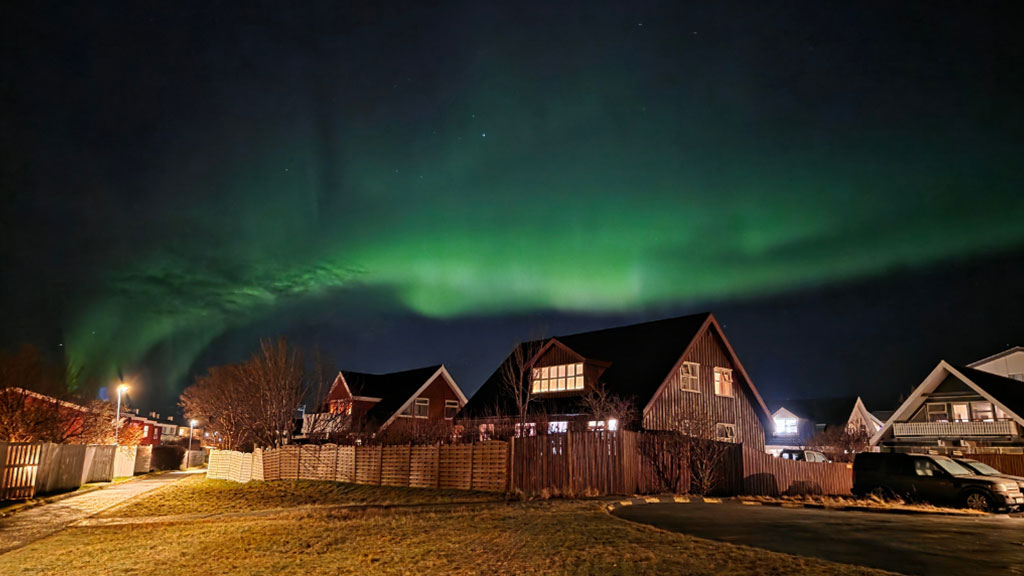
It is possible to get some nice pictures of the Northern lights on your camera phone if the settings are adjusted correctly.
However, if you are looking for pictures to hang on your wall or if you are a proper photography nerd, here are some settings to keep in mind when trying to shoot the perfect picture of the Northern lights.
- Darkness! Try to get as far away from light pollution as possible. Places like the Fjallsárlón glacier lagoon offer a very low light environment during night but with good access as well. Darkness is essential to be able to fully see the vibrant colors of the Auroras.
- Use a tripod. To get the best quality pictures, it’s always best to use a stable foundation for the camera. A good tripod that you can adjust for uneven surfaces is optimal. The more stable the camera is during long exposure, the clearer the picture will be.
- A good camera option. DSLR, Mirrorless, or a smart phone option with a good camera and the option to manually adjust your camera options.
- Adjust your camera settings accordingly.
- Camera mode should be in manual.
- The aperture setting should be as wide as possible, f/2.8, f1/8 or as low as the “f” number goes.
- Ideal ISO setting is between 1600-3200. Increase the number if it’s very dark.
- Based on the movement of the lights, you should adjust the shutter speed accordingly. If the lights are moving fast in the sky you should go for a shorter shutter speed. But, if the lights are calm and moving slowly you can go for a longer shutter speed. Typically the shutter speed should be between 1-25 seconds.
- Manually adjust the focus to infinity (∞).
Other tips for the experience to be amazing
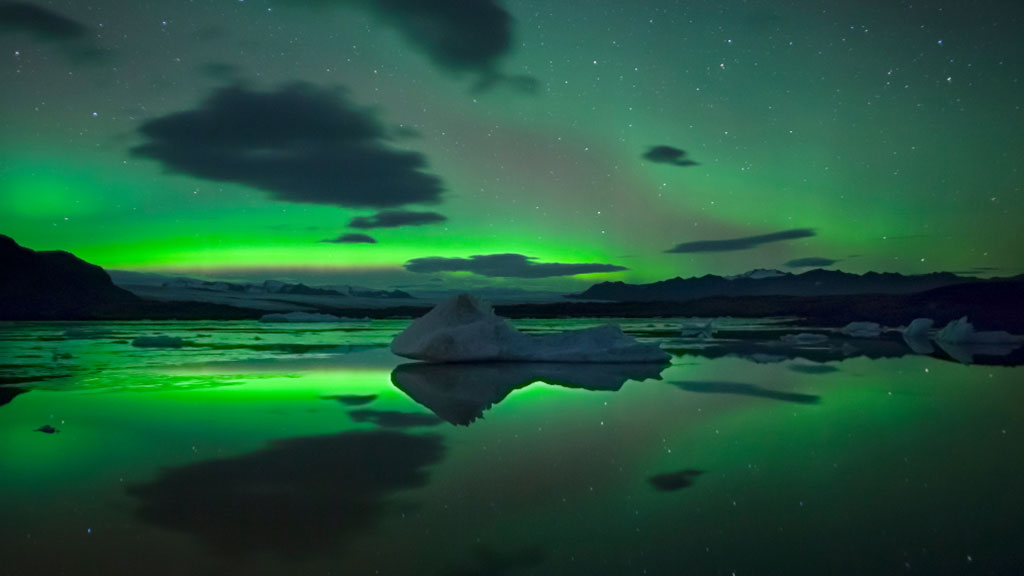
Knowing the tips and tricks of Northern lights hunting will help you getting that perfect Northern lights picture in Iceland.
To successfully view the Northern Lights, patience is key! They can be elusive! Be prepared for a wait and use the time to soak in the surrounding beauty.
Stay Prepared and Comfortable:
- Utilize aurora tracking apps to stay informed about activity levels.
- Pack snacks and hot drinks (like hot chocolate or tea) in a thermos. Sipping on something warm will make the wait much more enjoyable and special.
Safety First:
- Drive safely! Icelandic winters can be icy.
- Ensure your vehicle is prepared for the winter weather and road conditions. Drive carefully and enjoy the scenic journey.
With careful preparation, the right equipment, a touch of adventure, and some good fortune, you’re set to create unforgettable memories under the Northern Lights. Get out there, embrace the beauty of the Icelandic night, and may the lights dance brightly for you!