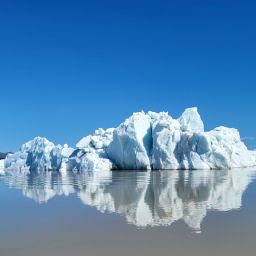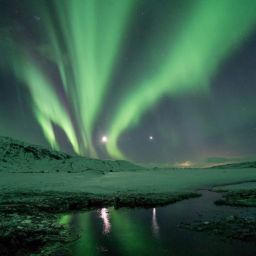

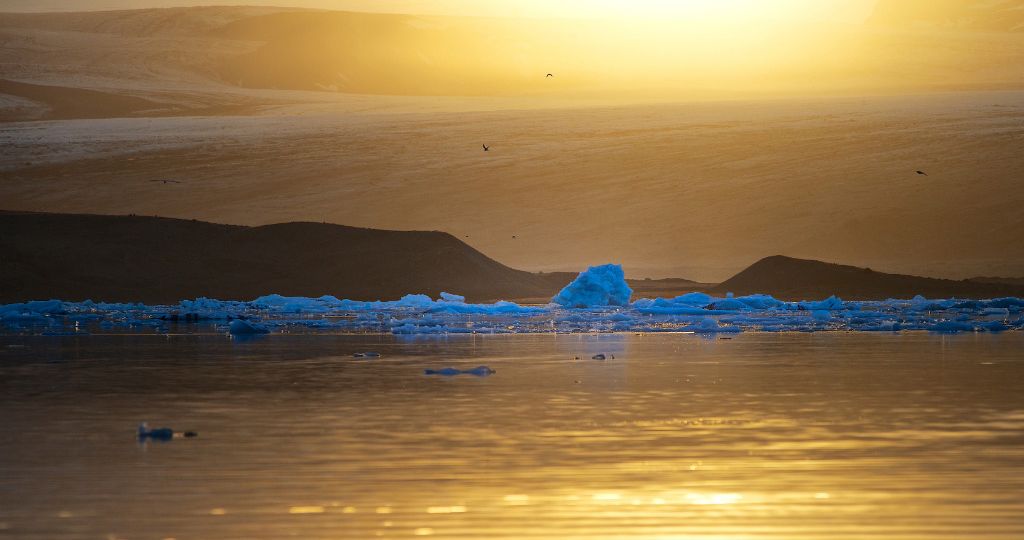
Thanks to its northerly latitude, when it comes to daylight Iceland’s seasons are remarkably different. In the depths of winter we might only see around four or five hours of light a day, yet by June the night’s over before it begins. As travellers, making the most of this bonus time is invaluable for those on a tighter schedule and, of course, advantageous for anyone else. In this article we’ll take a brief look at what we mean by the Midnight Sun and how you can maximise your Midnight Sun adventures at Fjallsárlón and elsewhere in South Iceland.
What is the Midnight Sun and why does it occur?
The Midnight Sun is the term used to describe places which are not dark enough at 12 o’clock for it to be considered night time. There’s a straightforward scientific explanation for this: the earth tilts on its axis and so more of the northern hemisphere is facing it during the summer months.
In Vik, sunset takes place around 11.30pm in June. However, darkness never completely envelopes the place for the rest of the night, and when sunrise happens about 3am it hasn’t been dark. We call this civil twilight. Civil twilight is when the sun is less than six degrees below the horizon. On a clear night, conditions will be fairly bright and if you’re outdoors you may not need artificial light to see what you are doing.
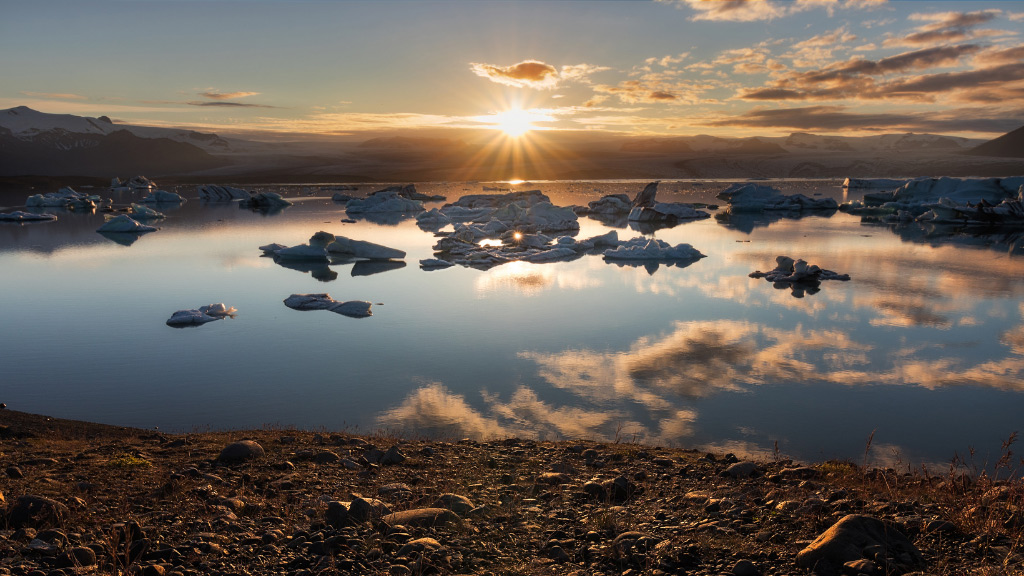
During mid-summer in Iceland, you can enjoy the attractions for 24 hours a day where the mid night sun brightens the day.
The benefits of the Midnight Sun in Iceland for travellers
No one likes to clock watch while they’re on holiday and for those who’ve come to Iceland in summer, the only constraints on your time when it comes to sightseeing are those your own body imposes upon you. The availability of light means you can set your own schedule, though of course guided tours will still operate to their published schedule.
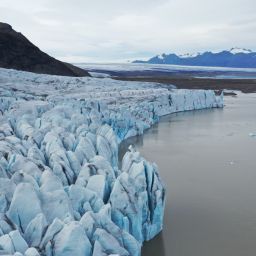
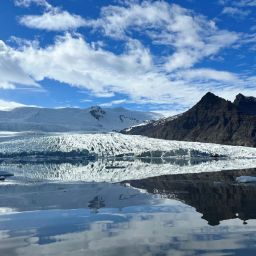
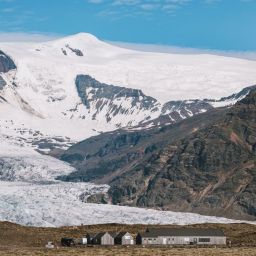
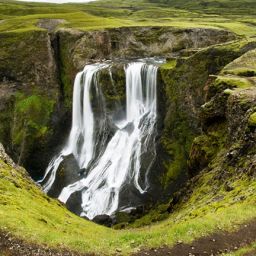
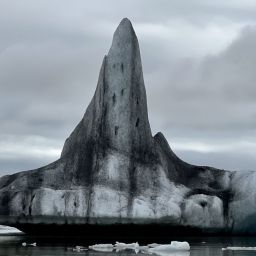
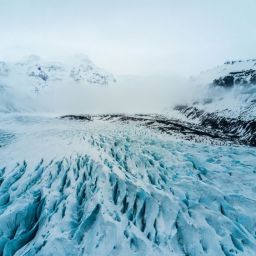
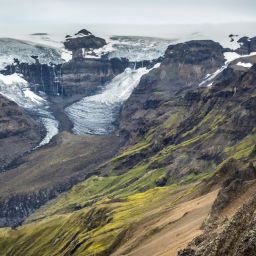
Nevertheless, independent sightseers can rock up at South Iceland’s landmark landforms at any time of day or night. There’s nothing to stop you admiring the glacial landscapes, fabulous waterfalls and windswept beaches at midnight should you choose to. When close to homes and hotels, however, it goes without saying that we should all be respectful of those who have chosen to turn in for the night and are trying to sleep.

During high summer in Iceland the sun never sets and it can be difficult for travellers to adjust to the constant daylight.
- Bring an eye mask
When choosing accommodation, particularly if you’re a light sleeper, be mindful of the need to sleep. Check pictures to see what the window coverings are like or enquire about whether there are black out blinds. If not, you could consider bringing an eye mask to wear so that you can take matters into your own hands. Either way, you may need to think about how to make it dark inside when it’s the exact opposite outside.

The midnight sun offers explorers a way to see Iceland’s attractions from different view point during the same day.
- Consider the view
Location’s also important. While a view of, say, Skógafoss waterfall from your bedroom window might sound like an enticing prospect, you might not be quite so enamoured with it if a group of noisy tourists have shown up after you’ve gone to bed. If you’re a night owl, however, having the use of a private terrace in front of an extraordinary view might be just the ticket.
- Don’t overdo it with the sightseeing
The trick is in balancing the need to sleep with a keen desire to see the many remarkable sights that litter this part of Iceland. As for a visit at any time of year, cramming too much into your itinerary will most likely lead to sensory overload and traveller fatigue. Instead, give yourself enough time to appreciate what you’ve come to see. Build in time to properly absorb your surroundings and enjoy the activities you’ve selected.
- Capitalise on the extra daylight
If you’re planning on basing yourself in Reykjavik but are excited to see Fjallsárlón and its surroundings, time your visit for summer. The Midnight Sun means that you’ll have the chance to see the scenery en route in daylight – both ways. The tours are long, but as you relax and watch the landscapes roll by you can enjoy the journey as much as the stops. If you’ve opted to self-drive, make the most of the extra time by taking the drive at a more leisurely pace.
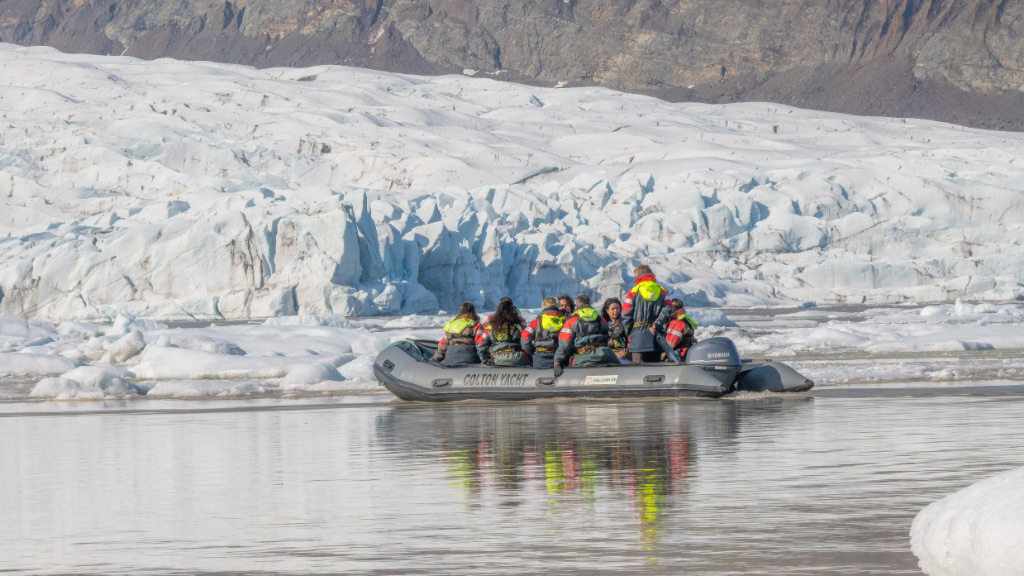
Tours, like the Fjallsárlón glacier lagoon Iceberg Boat Tour, are operated from morning until evening during summer.
- Prioritise your safety
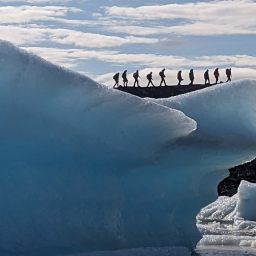
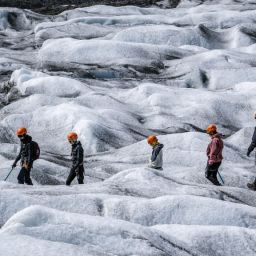
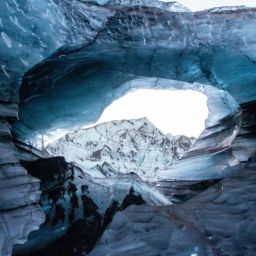
Some of South Iceland’s most breathtaking scenery can be dangerous to explore without an experienced guide. It might be tempting if you’re too late for an organised tour to try and access such environments – such as glaciers – on your own but this would be extremely risky. We’d urge you not to put yourself in such a position, or cause a problem for those whose job it is to come and rescue you if you found yourself in trouble.
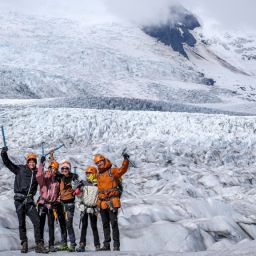
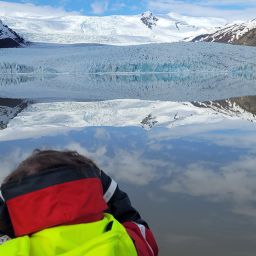
Fortunately, at Fjallsárlón there are many boat trip departures a day at this time of year. We operate our Zodiac tours on an hourly basis from 8.30am to 6.30pm. There’s also a morning and an afternoon tour for those keen to do a glacier hike with us. That means it should be easy to find a slot that fits in with the rest of your plans. But as it won’t be getting dark any time soon, there’s no need to rush off, so you’re welcome to hang around and make the most of that stellar view.