If you are planning a trip to Iceland, one thing that you need to remember is to dress for the weather, because the weather is not dressing for you! Whether you are going for zodiac boat tours among icebergs, glacier hikes, ice caving, or even spending the night in a floating hut at Fjallsárlón glacier lagoon, knowing what to wear in Iceland is essential.
As the local experts on adventure in South East Iceland, we know that comfort, warmth, and flexibility are the keys to enjoying every wild, beautiful moment here. That is why we tend to point out to travelers that clothing layering is something they need to understand and take seriously.
Since we spend our days and sometimes nights out in the wild, we know exactly what people need to savor the experience completely. So, to help you out, we have created an ultimate guide to clothes layering, which is designed to teach you how to stay warm, dry, and ready for every Icelandic adventure.
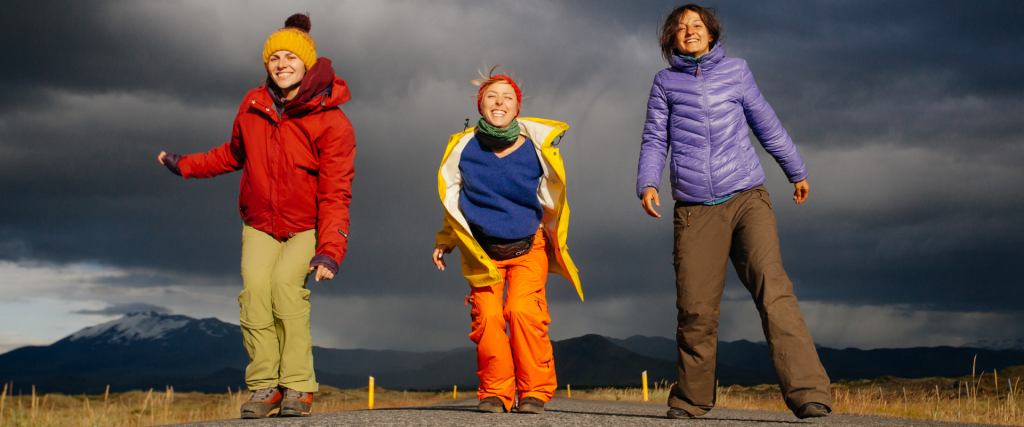
When planning what to wear while you are travelling and enjoying Iceland, it is essential to think about what layers you need to put on.
Why Layering Is Essential
If you have done your research on Iceland’s activities and tours, you have probably come across the necessity of layering clothes for Iceland.
Namely, Iceland’s weather is famously unpredictable. Sunshine, wind, rain, and even snow can all happen within the same afternoon. So, you need to be prepared for everything at all times.
However, the good thing is that temperatures are rarely extreme, and what matters most is your ability to adapt. And, layering lets you do that. That is, it lets you add or remove clothing as the weather changes, so you stay comfortable from Reykjavik’s city streets to the wilds of Vatnajökull National Park.
The Three Layers: Your Adventure Armour
1. Base Layer: Stay Dry
This is the layer that sits right against your skin, so think of it as your personal thermostat. More precisely, the base layer wicks away sweat and keeps you dry, which is critical for comfort in Iceland’s climate.
Our expert advice is that you should choose merino wool or synthetic fabrics. Avoid cotton because it stays damp and will chill you fast.
Also, you will want long underwear, a moisture-wicking top, and warm socks. When it comes to socks, wool is a local favourite for a reason!
2. Mid Layer: Lock in Warmth
The mid layer is your insulation, or the area where you trap heat.
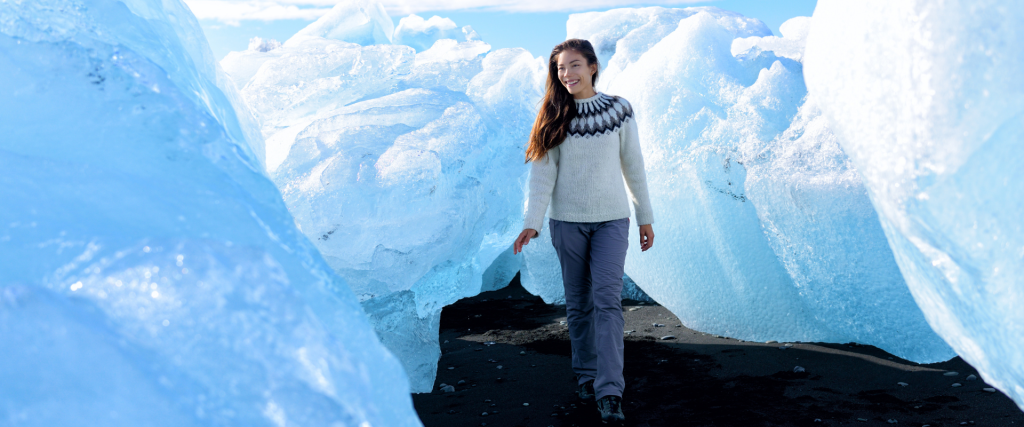
So, fleece jackets, wool sweaters, especially the classic Icelandic lopapeysa, or insulated vests are perfect. Not only do these keep you warm, but they are easy to add or remove as conditions change. In other words, they are the layer you need for both cold and warm weather.
Nonetheless, if you visit Iceland in colder months, you may want to double up with heavier socks or add a second fleece so you ensure you are warm enough.
3. Shell Layer: Defend Against the Elements
The third layer is your weather shield. Wind, rain, and snow are all part of the Icelandic experience. So, breathable, waterproof clothes for Iceland will make all the difference.
Make sure you look for windproof materials and good zippers. Your shell layer is your best defense on windy glacier hikes, rainy city walks, or zodiac boat tours across the chilly lagoon.
Even though it’s always recommended to bring all types of clothes with you for your visit to Iceland due to the unpredictable weather, you may be able to skip the snow pants during winter.
Season-By-Season Layering
Above, we have covered the general guidelines on what to wear in Iceland. However, if you want to be prepared for a specific season, you will need more specific information.
That is why we have included details for each season to help you plan your Iceland packing list properly.
Spring (April–May)
Weather: The weather is usually windy, unpredictable, and chilly.
Layers: Thermal base, fleece mid, waterproof shell. Add a hat, gloves, scarf, and sturdy boots.
Summer (June–August)
Weather: The weather is generally cool and damp, with quick rain showers and long daylight hours.
Layers: Light base, mid-weight fleece or sweater, light waterproof shell. You may also want to bring a sleep mask for midnight sun, swimwear for hot springs, and lighter casuals for Reykjavik.
Fall (September–October)
Weather: This is the rainiest season, and it comes with cooler air and autumn colors.
Layers: Moisture-wicking base, insulating mid, rainproof shell. You should not forget wool socks and a backpack rain cover.
Winter (November–March)
Weather: Winter is characterized by freezing temps, snow, strong winds, and short days.
Layers: Heavy thermal base, thick wool/fleece mid-layer, insulated and waterproof shell. You should also add insulated boots, crampons, thick gloves, scarf, and sunglasses.
Good and sturdy footwear is essential for your Iceland trip if you plan on hiking on glaciers or mountains.
Footwear: Iceland’s Untamed Terrain
Now that we covered layers, we also need to be specific about footwear. This is also an essential part of clothing for Iceland that determines the quality of your experience.
You should go for year-round, waterproof hiking boots with good grip since they are essential for every adventure, especially glacier hikes, ice cave tours, or simply navigating the short walk to our Zodiac boat dock.
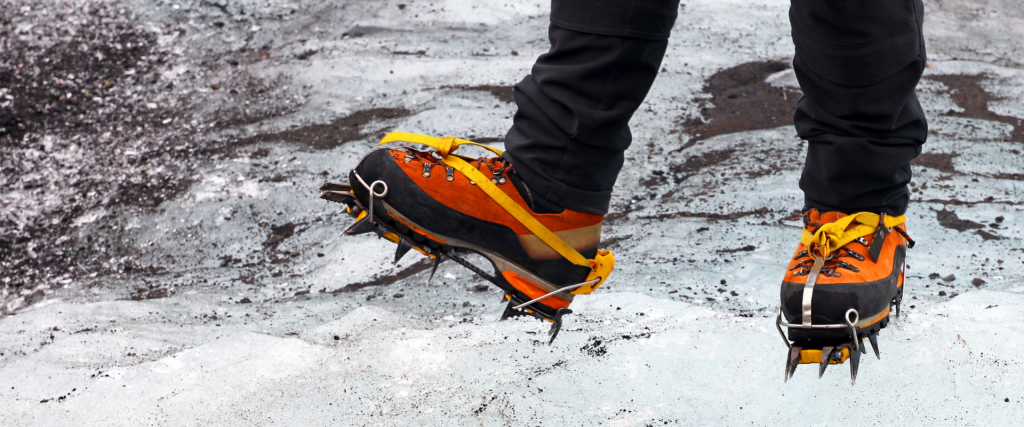
In winter, you should include insulated boots and crampons in your suitcase to keep you safe and toasty, while in summer, lighter boots work for city and trail.
Dress for the Experience: Our Tours
Since we want our travelers to be prepared and to have the ultimate experience, we have included some details that may make a difference for each tour. You should remember that each tour is a distinct adventure, so specific preparations are surely needed.
Zodiac Boat Tours: If you go on a zodiac boat tour, ensure you wear your warmest base and mid-layer. But do not worry, we will also provide a thick flotation jacket for warmth and safety.
Glacier Hiking & Ice Caving: You should layer up with thermals and a grippy pair of gloves. Our guides provide helmets and crampons, but you will want that insulated shell for protection.
Ice Floating: When going ice floating, you will want to dress for warmth and comfort. However, we will also suit you up in a special dry suit so you can float among the icebergs.
Overnight in the Floating Hut: When staying overnight, make sure you bring extra socks, a cozy sweater, and a hat for stargazing or northern lights watching on the lagoon deck.
Packing for your Iceland trip is the first mountain to climb before you arrive. But, don’t worry, this guide has you covered.
Layer Up and Live The Adventure
The right clothes are your passport to every Icelandic thrill – from Zodiac rides among ancient ice to hiking secret glacier trails. So, make sure you pack properly so you can enjoy your Iceland adventure to the fullest. Every sight comes with a special story, so you need to be prepared to truly savor it!
If you are ready to plan your trip to this magical country, feel free to get in touch with us.
At Fjallsárlón, we are all about adventure, wild landscapes, and getting up close to Iceland’s raw nature. Our home turf is Southeast Iceland, and we have plenty of activities to offer, but we also believe everyone with extra time should explore Iceland to the fullest. So, for those with a week to spare, North Iceland… Continue reading Spend a Week in North Iceland Without Rushing
At Fjallsárlón, we know a thing or two about epic Icelandic adventures. While our home base is the breathtaking Fjallsárlón glacier lagoon in the southeast, we are also passionate about exploring every wild corner of this incredible country, including the untamed wonders of Northern Iceland.
As explorers and locals at Fjallsárlón, we spend our days surrounded by icebergs, glaciers, and the endless drama of Southeast Iceland’s wild landscapes. And, if there is one thing we see over and over, it is travelers zipping through the region on a rushed South Coast itinerary – snapping photos at Jökulsárlón and then dashing back to Reykjavík.




 Fjallsárlón

