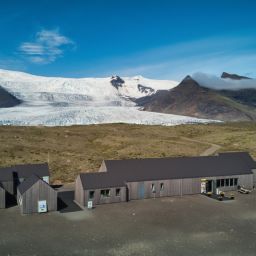

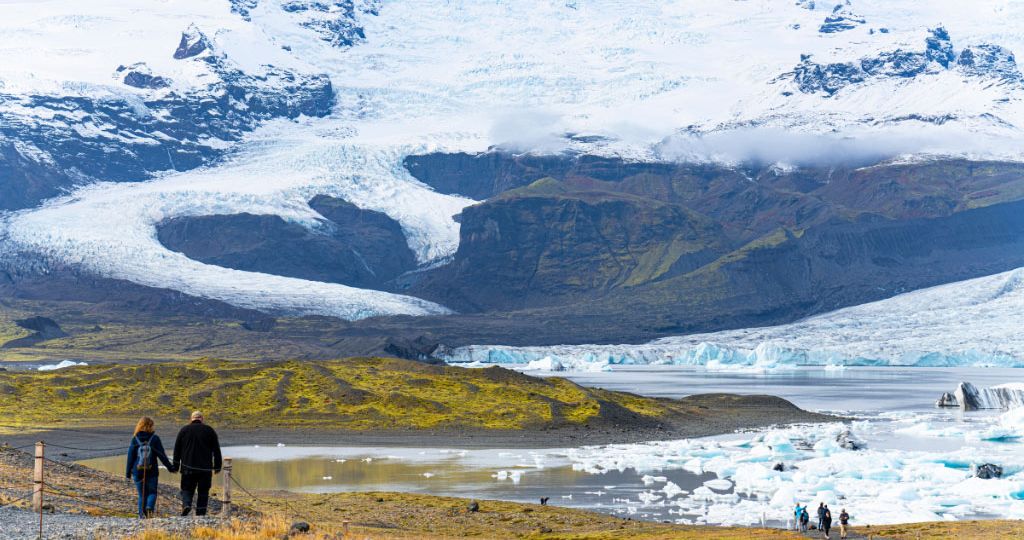
If you’ve been planning to visit one of Iceland’s glaciers, such as the one that forms the breathtaking backdrop to Fjallsárlón lagoon, then you might have done some reading about the ice and its characteristic features. One of the most important aspects of the glacier is its moraine, so in this piece we’ll take a look at what moraine is as well as the nature of what you’re walking on.
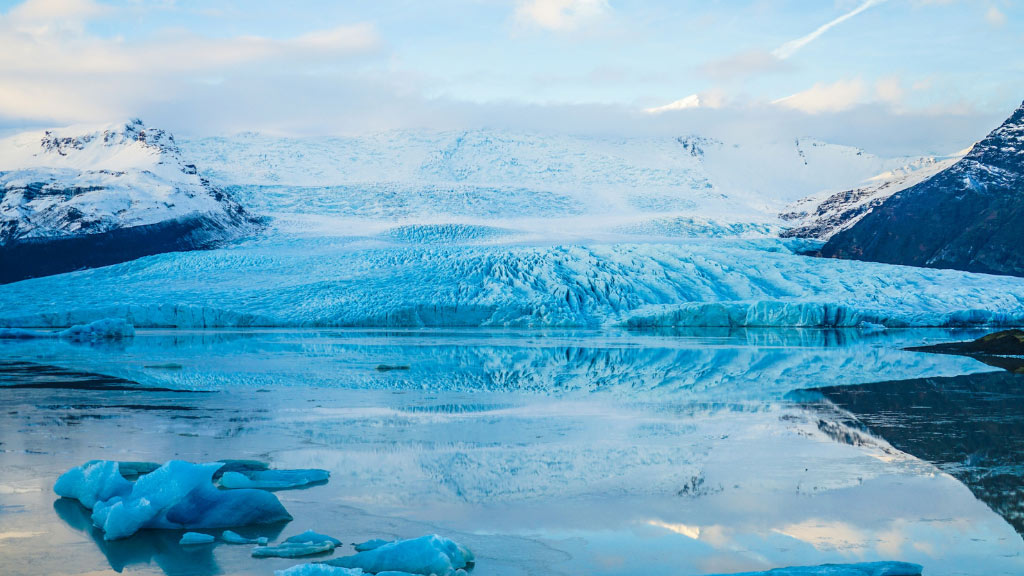
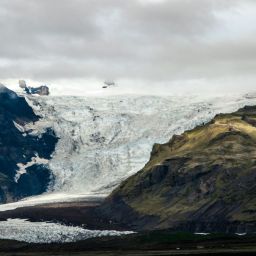
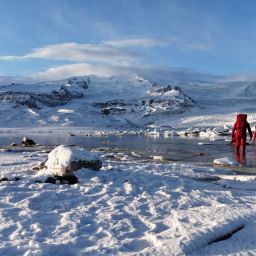
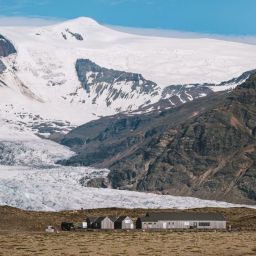
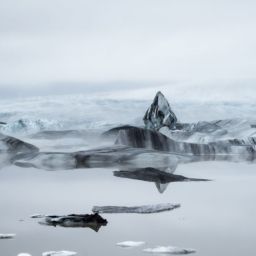
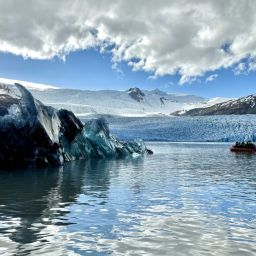
When glaciers retreat they leave behind deposited material and melt water that sometimes is collected into glacier lagoons like Fjallsárlón.
What is glacial moraine and how does it erode a valley?
Moraine is an umbrella term, a catch-all for the material carried and then deposited by the glacier. It takes the form of rocks and till – finer soil-like sediment – and is eroded from the valley sides and floor by the slow-moving tongue of ice. For example, the ice freezes around boulders and as it moves downhill under the influence of gravity, such rocks are plucked from the valley and transported elsewhere by the ice. As the glacier moves, the moraines scratch the valley sides and floor, causing striations and other scars. This is called abrasion.
Different types of moraine
Moraines usually take their name from where they are located. In general there are five types of moraine:
- Lateral
This moraine is found at the edges of the tongue of ice and consists of rocks that have fallen from the valley sides onto the fringes of the glacier. The material can be loosened by freeze-thaw weathering. This happens where rain seeps into cracks in the rock, freezes as temperatures fall and expands to put pressure on the rock. Over time the weakened rock breaks, enabling loose bits to fall onto the glacier. As the glacier moves downhill under the influence of gravity, the material is carried along with it.
- Medial
Medial means middle and that’s where you’ll encounter this type of moraine. It’s usually formed where two smaller glaciers converge to form one larger one. In this scenario, what was once the lateral moraines combine to flow down the middle of the newly widened glacier, as if they have been carried by a slow-moving conveyor belt.
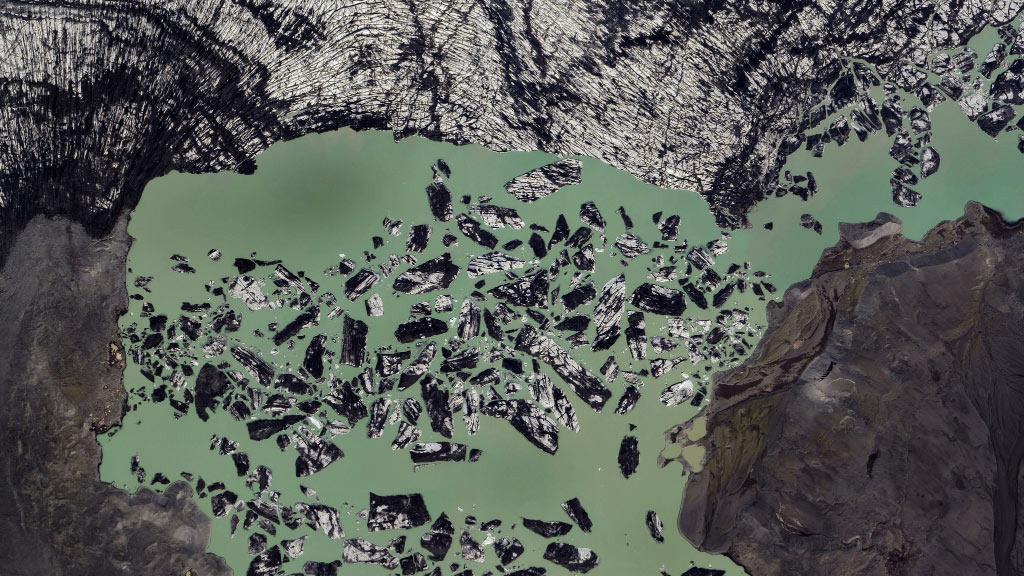
Glaciers push material to the sides and in front of the moving ice leaving behind deposits known as glacier moraines.
- Recessional
Sometimes a glacier starts to recede, for instance as temperatures rise seasonally. As the ice retreats, material will be deposited by the meltwater. However, as winter approaches, temperatures fall again. The glacier may start to gain again as snowfalls in the zone of accumulation in its upper reaches build up. The glacier advances and rolls over the rocks, stones and sediment that were left during previous summers. It’s at this point we call this material recessional moraine.
- Terminal
Terminal moraine marks the furthest extent of a glacier. If temperatures fall steadily as part of a warming trend, the ice won’t advance and re-cover the material that it has deposited. In this situation, the meltwater doesn’t have the ability to carry the load as the ice once did. What it does therefore, is drop the heaviest material first as the water doesn’t have sufficient energy to continue transporting it. This might form a barrier that has the ability to block a valley, trapping the meltwater behind this newly created dam.
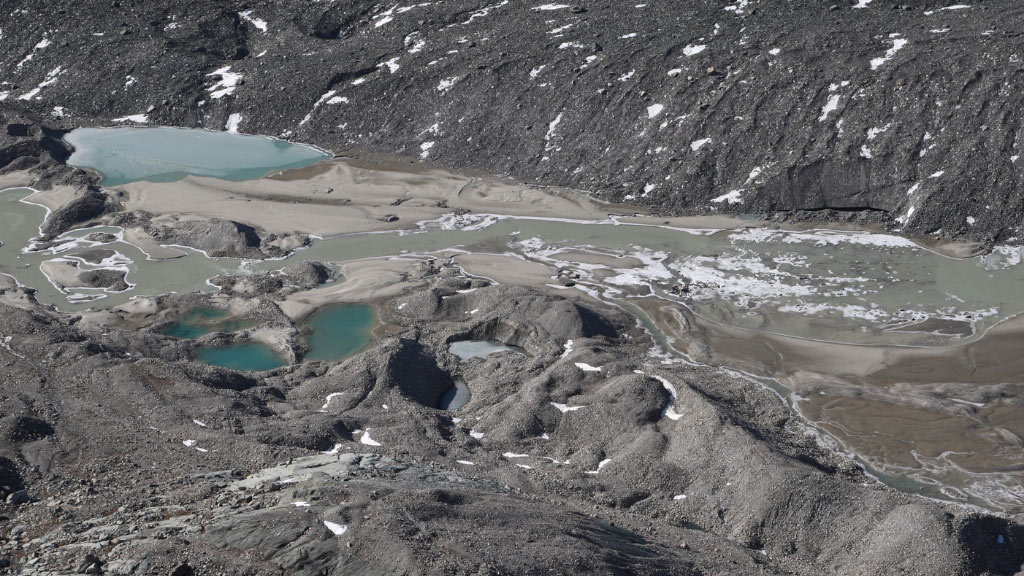
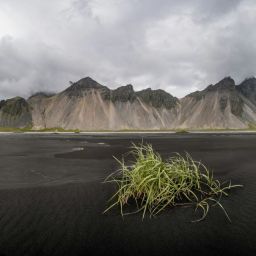
A typical area that was once underneath a glacier in Iceland where the glacier has deposited material after starting to retreat.
- Ground
This material was once right beneath the glacier and represents the material that travelled between the ice and the valley floor. Usually ground moraine consists of clays and sands. It creates an uneven layer below the ice and can be anywhere from five to twenty metres thick. Until the glacier is lost from above it, such as when the ice recedes, you can’t normally see this moraine as it’s hidden from sight, but where a till plain exists this is ground moraine.
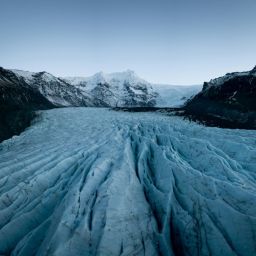
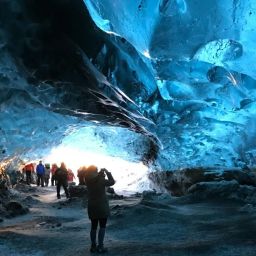
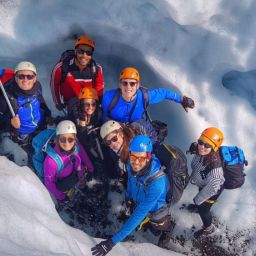
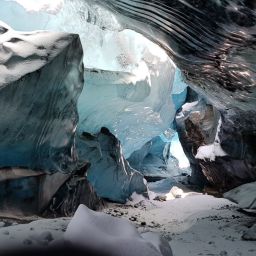
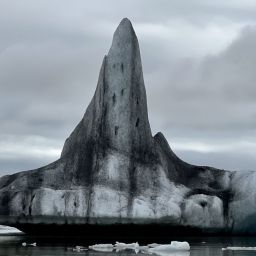
When you sign up for one of Fjallsárlón’s glacier hikes you’ll have the opportunity to walk over the surface of the ice. As you do so, look around you and you’ll often see the rock, stones and other material that we’ve described. Study the valley sides and you’ll notice that the slopes are uneven and jagged where material has broken off. This dark coloured material forms a striking contrast to the white and blue colour palette of the ice itself, adding to the remarkable view.